We found 9 retention tools with free tiers — and 2 of them are completely free, no credit card needed. Not "free for 14 days" free. Actually, permanently free. Here's every option worth your time, sorted by how much you actually get for $0.
When we say "free," we mean it. Every tool on this list meets our criteria: no credit card required to start, no forced upgrade after a trial period, and a free tier that's genuinely usable for early-stage startups. Some have usage caps. Some limit features. But none of them bait-and-switch you.
Tremendous100% free | — | N/A | SMBs | Niche | Details |
| — | $115/month | SMBs | Best-value | Details |
| Website chat widget, Shared inbox | $45/month | SMBs | Best-value | Details |
| — | $25/month | Startups | Best-value | Details |
| — | $39/month | Startups | Best-value | Details |
| — | $90/month | Startups | Best-value | Details |
| — | $49/month | Startups | Best-value | Details |
| 90 days of message history, Up to 10 apps | $8.75/month | Startups | Best-value | Details |
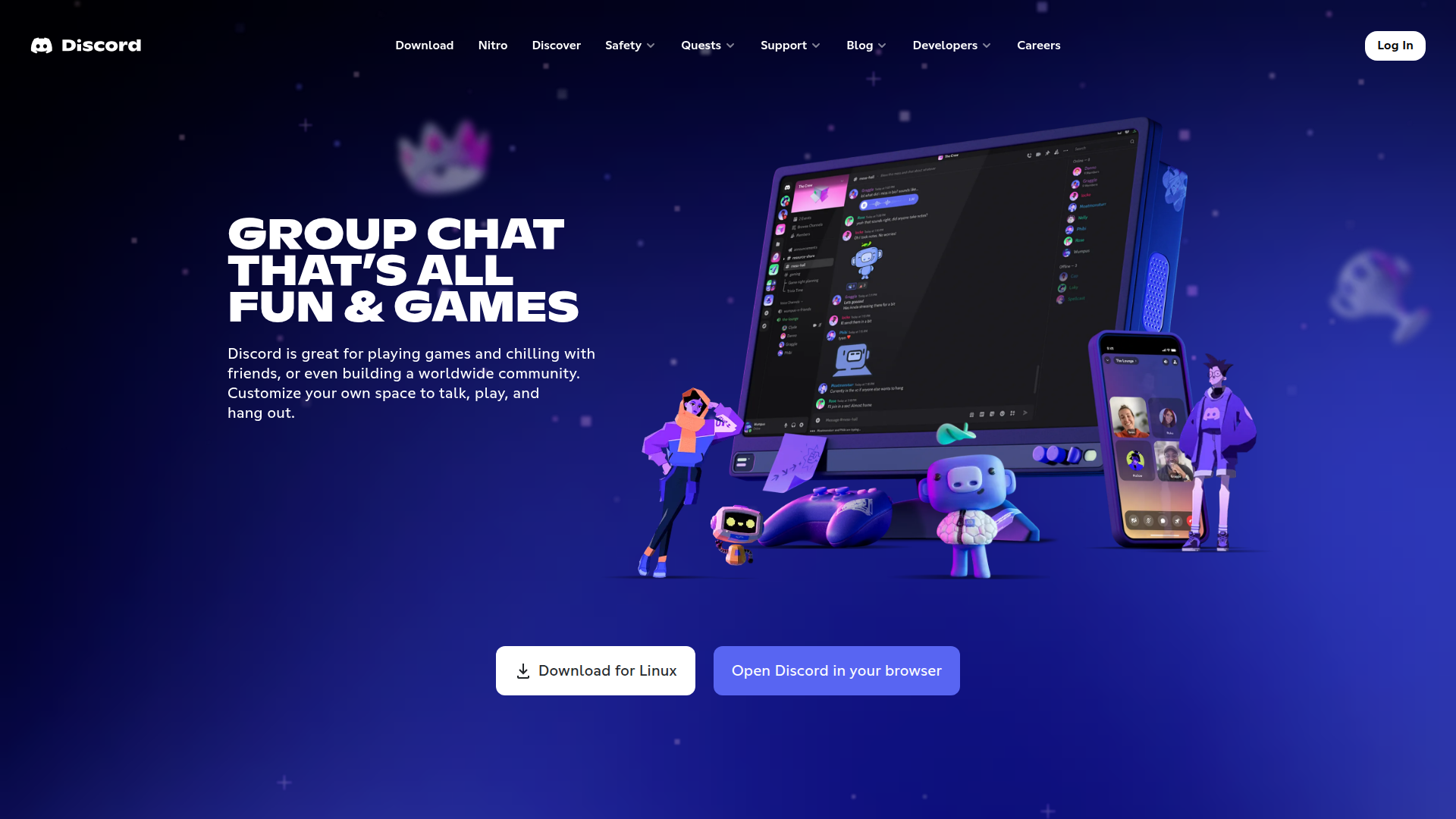
Discord is a versatile platform for seamless group chat, gaming, and community building.
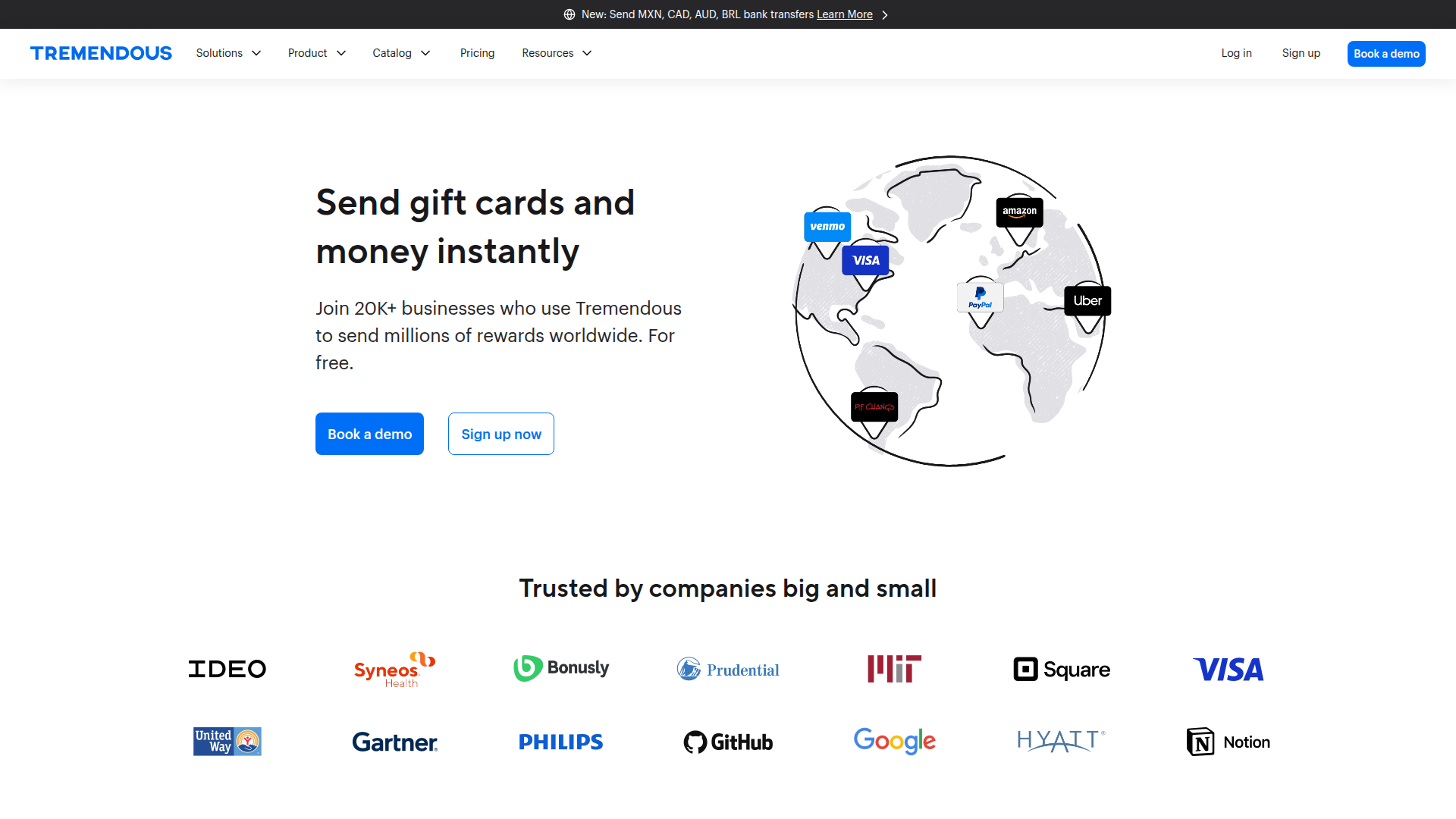
Send gift cards and money instantly to recipients worldwide.
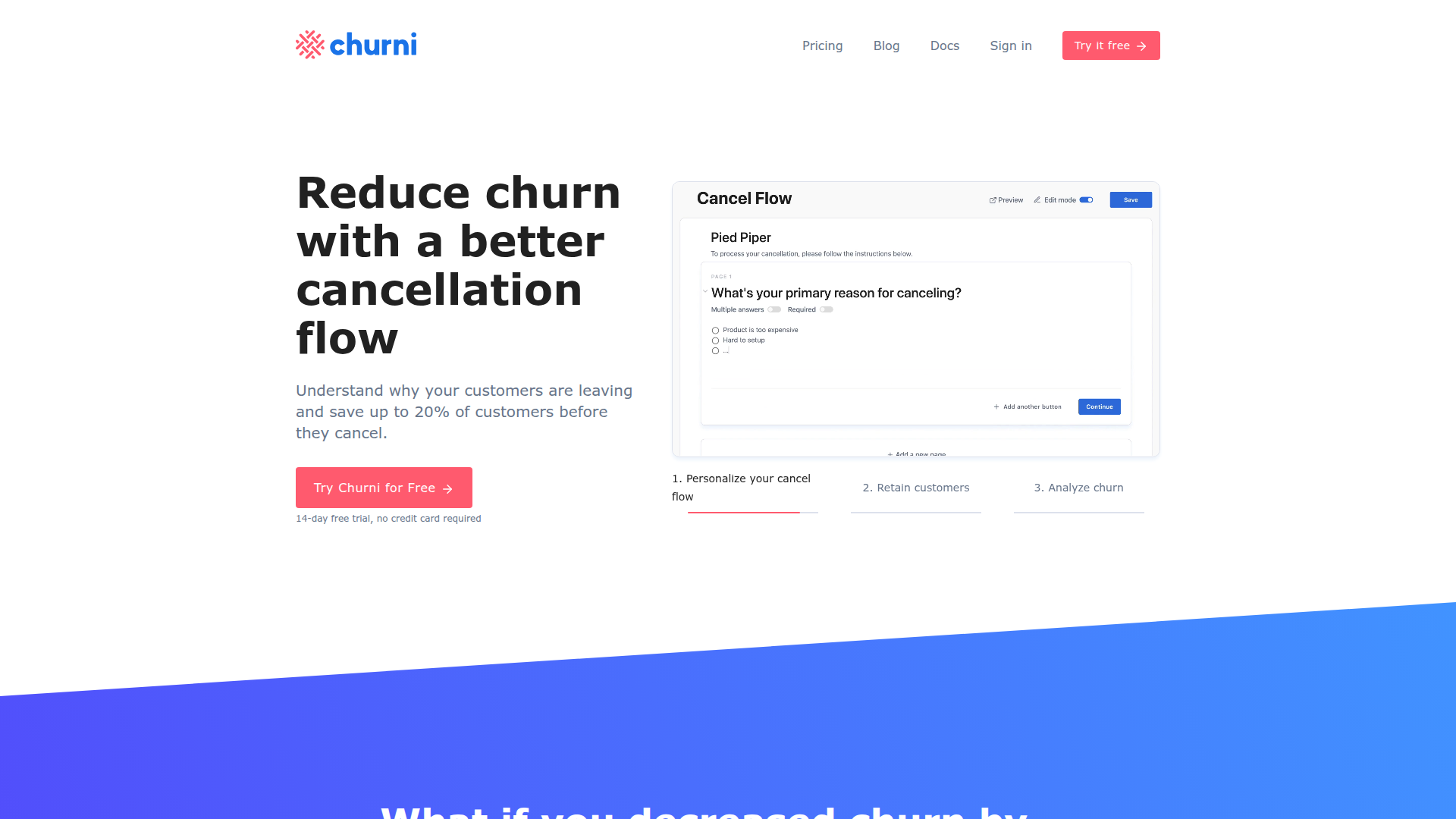
Reduce customer churn by personalizing cancellation flows and analyzing feedback.
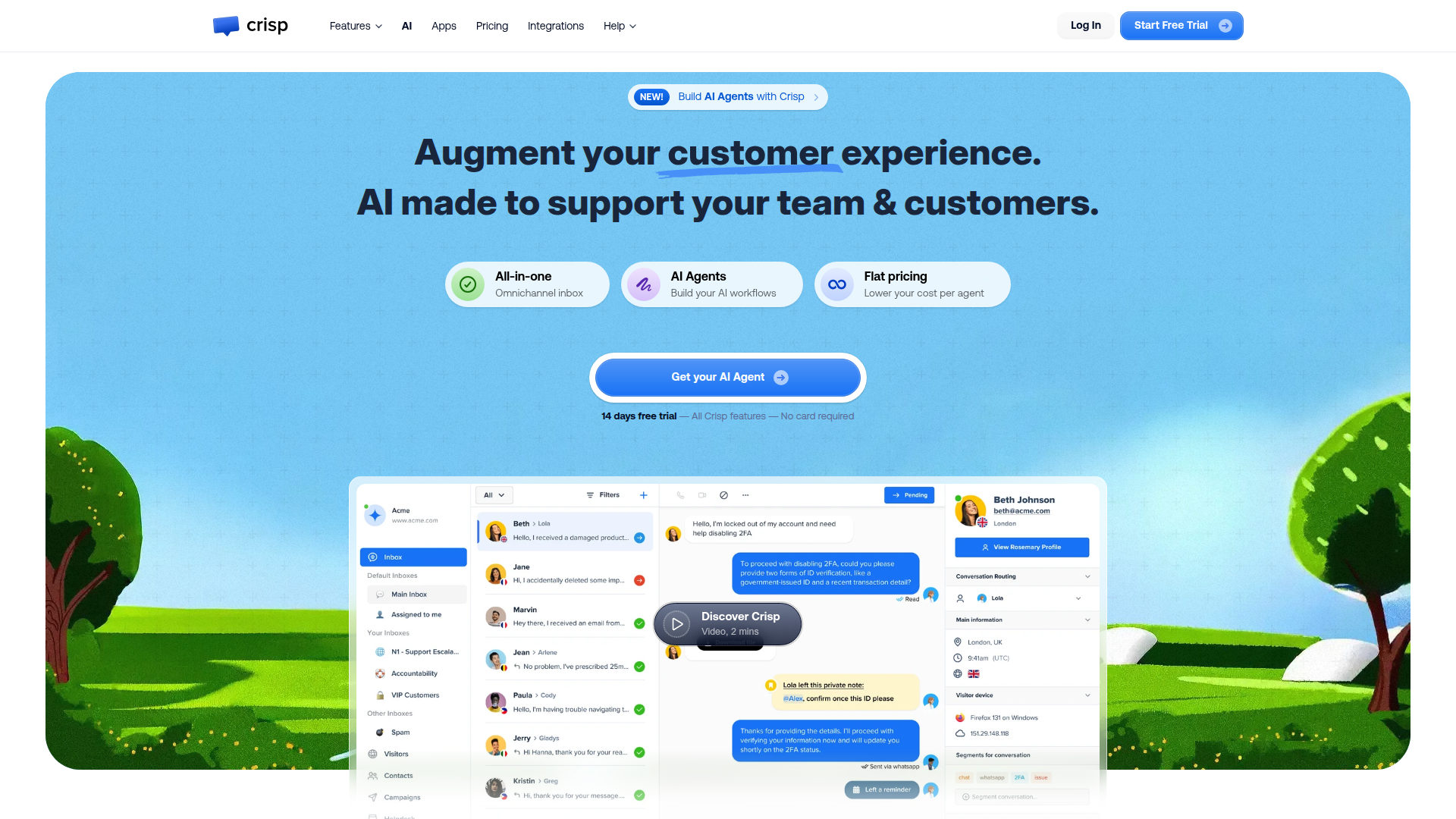
Crisp is an all-in-one customer support platform with AI and omnichannel capabilities.
Frill is a tool designed to gather and manage feature requests, enabling teams to prioritize their product roadmap based on customer feedback.
Nolt is a user feedback platform designed to help teams gather and prioritize ideas from their community to enhance product development.
Pensil is an all-in-one community platform offering customizable solutions for engagement and growth.
Rapidr centralizes product feedback and feature requests for SaaS, enhancing customer engagement and informed decision-making.
Slack streamlines team collaboration with channels, integrations, and AI to enhance productivity and communication.
Here's how free retention tools compare at a glance:
| Tool | Best for | Strength | Setup effort | Ideal ICP |
|---|---|---|---|---|
| Live chat + messaging | Industry standard with the widest ecosystem | Low | Solo founders, SMBs, and early teams | |
| General-purpose teams | Send gift cards and money instantly to recipients worldwide | Low | Mid-market teams scaling up | |
| User feedback + surveys | Reduce customer churn by personalizing cancellation flows and analyzing feedback | High | SMBs and growing startups | |
| Small-to-medium teams | Strong features at a fraction of enterprise pricing | High | SMBs and growing startups | |
| User feedback + surveys | Strong features at a fraction of enterprise pricing | High | Bootstrapped founders + indie hackers | |
| User feedback + surveys | Strong features at a fraction of enterprise pricing | Low | Bootstrapped founders + indie hackers |
Screenshots don't lie. Here's what you're signing up for — no stock photos, no marketing mockups.
Here's a stat that should change how you allocate your budget: acquiring a new customer costs 5-7x more than retaining an existing one. Yet most startups spend 90% of their tool budget on acquisition and 10% on retention. That's backwards.
Retention is where startups live or die. A 5% improvement in retention can increase profits by 25-95% (depending on who you believe — the point is, it's a lot). And the best free retention tools in 2026 make it possible to build a real retention strategy without spending anything on tools.
The growth hacker take: if your churn rate is above 5% monthly, no acquisition tool will save you. Fix retention first. The free tools on this page will help you understand why users leave, build community so they stay, and create support workflows that turn frustrated users into advocates.
Community is the ultimate retention moat. Users who connect with other users stick around longer, pay more, and recruit new users for free. Here's how to build community for $0:
Discord has become the default community platform for startups, developer tools, and SaaS products. Completely free for the features that matter — unlimited members, text channels, voice channels, roles, and basic moderation. Discord's advantage over Slack is the community feel — it's where people hang out, not just where they work. The downside: it can feel too casual for enterprise-focused products.
Slack Free gives you a workspace with 90-day message history and 10 integrations. For internal teams, the free tier is limiting. But for customer communities, 90 days of history is usually fine — community conversations are ephemeral by nature. Slack feels more "professional" than Discord if your audience is business users.
GitHub Discussions is an underrated community tool for developer-focused products. Free, integrated with your repo, supports threaded conversations and categories. If your users are developers, GitHub Discussions keeps community close to the code.
Fast, helpful support is the simplest retention strategy. Users who get their problems solved quickly don't churn. Here's what's free:
Crisp Free gives you a live chat widget with a shared inbox and basic CRM. The free tier supports 2 agents — enough for most early-stage startups. Crisp's chat widget is clean, loads fast, and includes a knowledge base on the free plan. For startups that need live chat without paying Intercom prices ($74/month minimum), Crisp is the answer.
Tawk.to is completely free live chat — no limits on agents, no limits on chats, no hidden costs. The business model is based on optional paid add-ons (AI assistant, video calling), but the core chat product is genuinely free forever. The widget isn't as polished as Crisp or Intercom, but the price makes up for it.
Email — don't overthink this. A shared Gmail account with labels and a response time commitment is better support than an expensive help desk nobody monitors. Start with email, add live chat when response time becomes a problem.
Understanding what your users want is the foundation of retention. These tools make feedback collection systematic:
Canny Free lets users submit feature requests and vote on them. The free tier limits you to one board and basic functionality, but that's enough to understand your users' priorities. Canny turns "we should build X" debates into data-driven decisions.
Nolt Free offers a similar feature voting board with a generous free tier. Public and private boards, unlimited voters, and a clean interface. For collecting and prioritizing feature requests, Nolt is a solid Canny alternative.
Google Forms + a public Notion page — the scrappy approach. Create a feedback form, review responses weekly, and maintain a public roadmap in Notion. Zero cost, zero learning curve, and your users appreciate the transparency.
The growth hacker take: the best retention insights don't come from tools — they come from talking to users who cancelled. Set up a cancellation reason dropdown and a "can we chat?" option. One 15-minute call with a churned user teaches you more than a month of analytics data.
Free retention tools in 2026 cover the fundamentals: community (Discord), support (Crisp, Tawk.to), and feedback (Canny, Nolt). These tools help you understand why users leave and build the systems that make them stay.
But retention isn't a tools problem — it's a product problem. No chat widget fixes a broken feature. No community replaces a product people actually love. Use these free tools to listen to your users, respond quickly, and build what they need. The retention will follow.
Based on our testing, Discord stands out for its generous free tier and overall feature set. Tremendous is a strong runner-up, especially if you need a different feature mix. The "best" pick depends on your specific needs — check the comparison table above to match tools to your use case.
For pre-revenue startups and teams under 10 people, free tiers are usually more than enough. Most tools on this list serve thousands of startups on their free plans. The real question is when to upgrade — and we've included upgrade pricing in the table above so you can plan ahead. Don't pay for features you won't use for 6 months.
The most common free tier limits are usage caps (events tracked, emails sent, team members), reduced integrations, and community-only support. Some tools also add branding to your output on free plans. We've listed specific limits in the comparison table — the devil is in the details.
Every tool on this list can be started without a credit card. That's one of our criteria for inclusion. Some may ask for payment info when you upgrade, but the free tier itself is always no-strings-attached.
Upgrade when you consistently hit the free tier limits, need features only available on paid plans (like advanced integrations or team collaboration), or when the tool becomes critical to your workflow and you need priority support. Until then, save your money.
Need more options? Browse all retention tools, including paid ones with free trials.