Best Help Desk Software for Startups 2026
Compare top help desk software for startups in 2026. Find AI-powered support tools, ticket systems, and customer support solutions for your team.

Marco Delvane
Growth Team
Key Takeaways
- Best Overall: Intercom for AI-powered automation and omnichannel support
- Best Budget: Crisp starts free with unlimited agents and solid features
- Best for PLG: Intercom integrates product usage into support workflows
- Best Integrations: Zendesk connects with 1,000+ apps but costs more
- Hidden Gem: Crisp — seriously underrated, full-featured, stupid cheap
Help desk software in 2026 isn't about ticket management anymore. It's about AI deflection, proactive support, and turning customer questions into retention signals. The old players (Zendesk, Freshdesk) still dominate market share, but newer platforms like Intercom and Crisp are eating their lunch with better UX and smarter automation.
Here's the problem: most startups over-invest in features they'll never use. You don't need 47 integrations on day one. You need fast response times, clean ticket management, and automation that actually works. This guide breaks down what matters, what doesn't, and which tools deliver without the enterprise bloat.
Quick Comparison: Top Help Desk Tools
| Tool | Starting Price | Best For | Free Tier? | VGS Verdict |
|---|---|---|---|---|
| Intercom Suite | $39/month | AI automation, PLG companies | 14-day trial | Expensive but worth it for growth |
| Crisp | Free | Budget startups, unlimited agents | Yes | Hidden gem, insane value |
| Zendesk | $55/month | Enterprise integrations | 14-day trial | Powerful but pricey |
| Freshdesk | Free | Basic ticketing, small teams | Yes | Decent free tier, see alternatives |
| Help Scout | $25/month | Email-focused teams | 15-day trial | Great UX, limited channels |
| Front | $19/month | Shared inbox, collaboration | 7-day trial | Best for distributed teams |
AI-Powered Help Desks: The New Standard
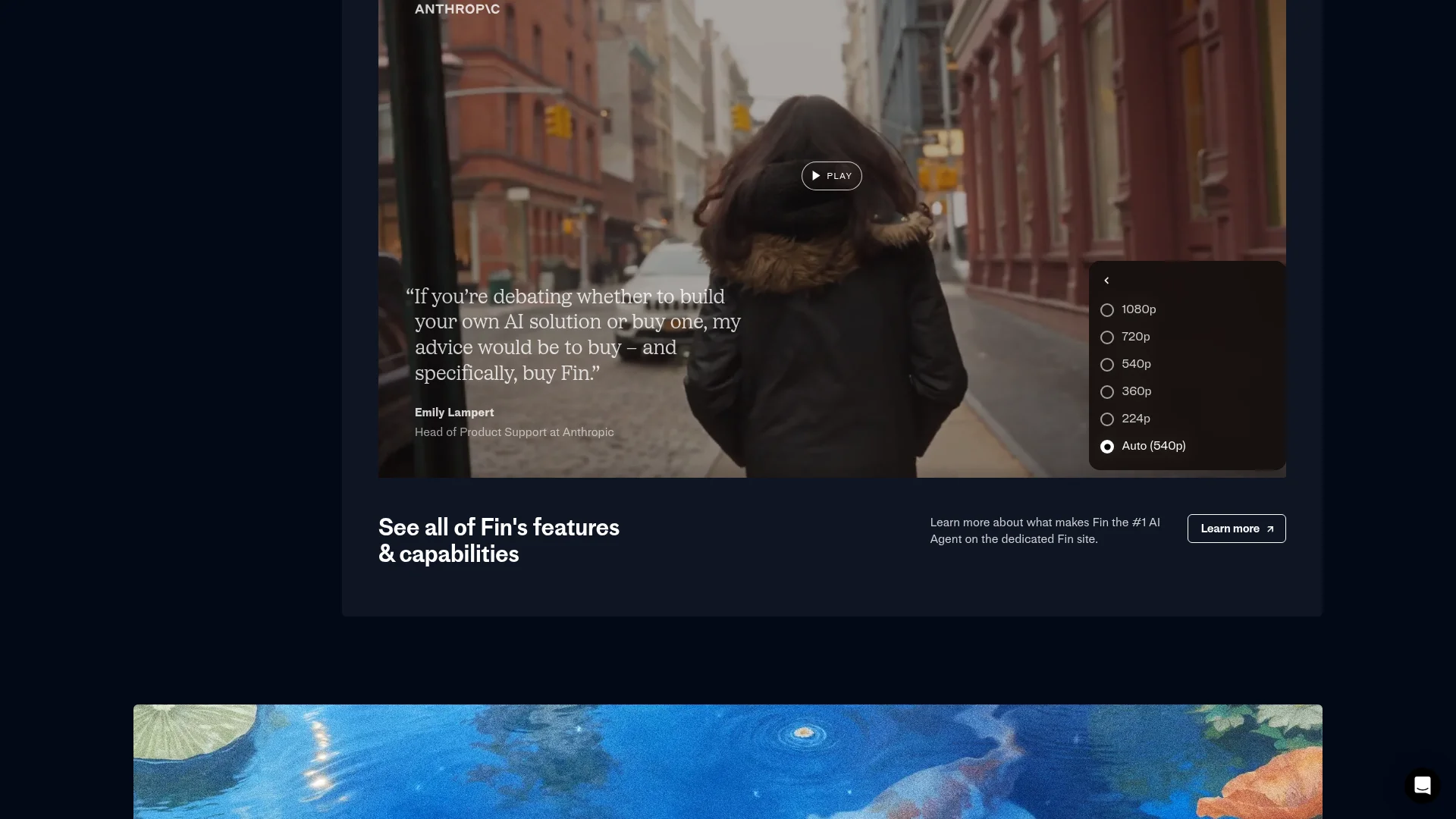
AI deflection isn't a nice-to-have anymore. It's table stakes. The best help desk software in 2026 uses AI to answer 40-60% of inbound questions before they reach a human. Intercom leads here with Fin AI, which learns from your docs and past tickets to generate contextual answers. Not canned responses — actual intelligent replies.
Crisp also offers AI capabilities through its MagicReply feature, though it's less sophisticated. Zendesk's Answer Bot requires manual training but handles complex workflows better. Freshdesk's Freddy AI sits somewhere in the middle — decent out-of-box performance, customizable but not as smart as Intercom's Fin.
What actually matters: Can the AI pull from your knowledge base AND past conversations? Does it escalate intelligently when it can't answer? Can you customize tone and handling rules? These features separate real AI from glorified chatbots.
For a deep dive on AI-first platforms, check out our best Intercom alternatives comparison.
Budget-Friendly Options: Free & Low-Cost Tools
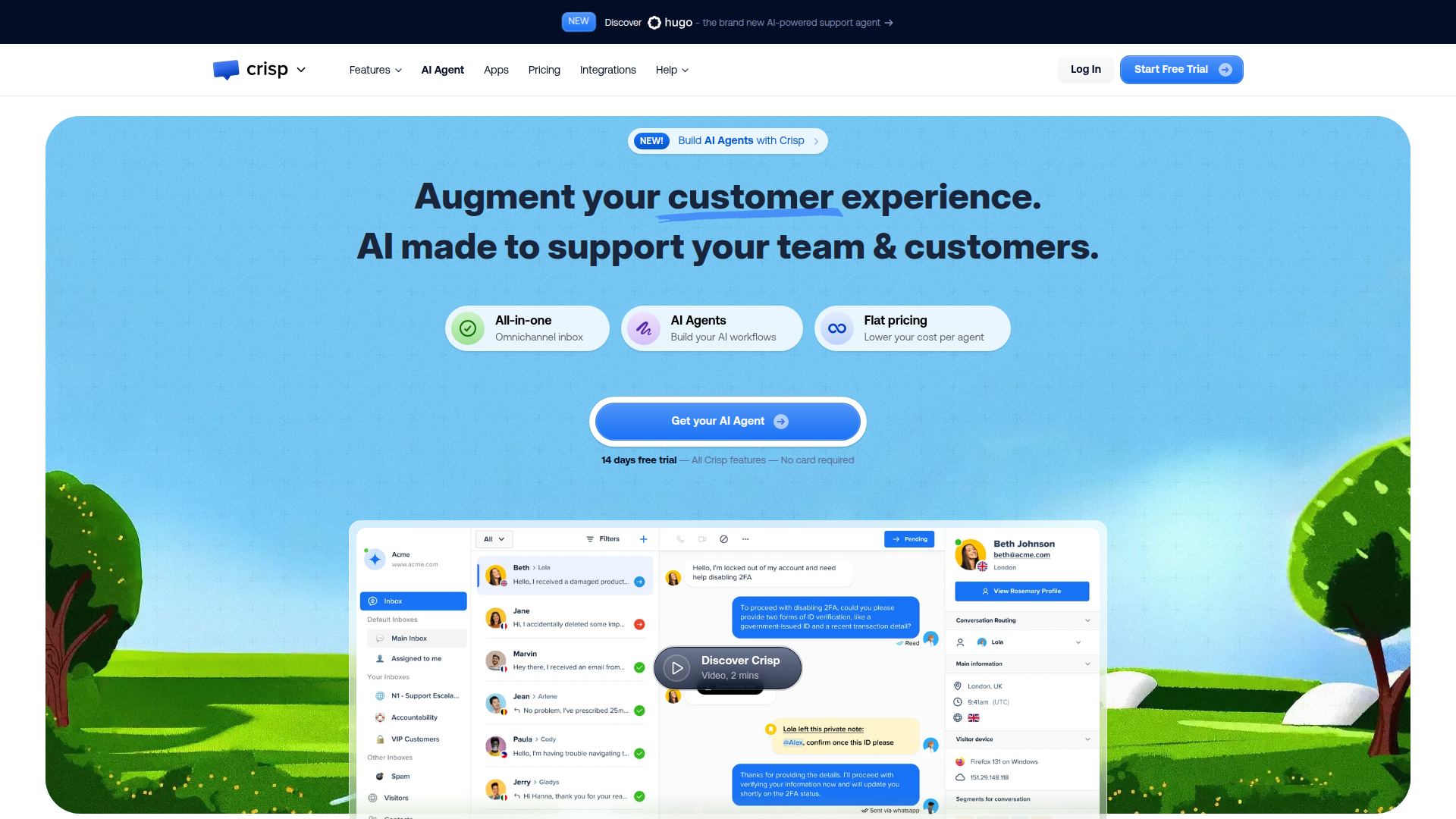
Crisp wins this category, no contest. Free plan includes unlimited agents, shared inbox, live chat, and basic automation. No credit card required. No sneaky limits on conversations. Just works.
Freshdesk offers a free tier but caps you at 10 agents. After that, you're paying $15/month per agent minimum. Help Scout's cheapest plan starts at $25/month per user but the UX is cleaner than Freshdesk. Front's $19/month shared inbox plan works well for small teams focused on email support.
Budget reality check: Most startups spend $50-150/month on help desk software in year one. If you're paying more than $200/month before hitting $50K MRR, you're overpaying. Crisp gets you to $100K ARR without upgrading from free.
See our full Freshdesk alternatives guide for more affordable options.
Omnichannel Support: One Inbox for Everything
Customers don't care about your org chart. They expect consistent support across email, chat, social media, and phone. Omnichannel help desk software unifies these into one view.
Intercom excels here — email, live chat, in-app messaging, and SMS all flow into the same inbox with full context. Crisp supports email, live chat, Messenger, Instagram, WhatsApp, and Line. Zendesk covers everything but feels clunky switching between channels.
Intercom Suite Review
Channel priority matrix: Most B2B startups need email + live chat. Add social channels if you're B2C. Phone support matters for high-touch sales or complex products. SMS works for appointment reminders and delivery updates.
Front specializes in shared email but lacks native chat. Help Scout focuses on email and docs but requires third-party chat integrations. Gorgias (not covered in detail here) dominates ecommerce omnichannel but costs 2-3x more than Crisp.
Integration Ecosystems: Playing Nice with Your Stack
Zendesk connects with 1,000+ apps. Intercom integrates with 300+ tools including Slack, Salesforce, and every major CRM. Crisp supports Zapier, Make, and native connections to Shopify, WordPress, and Stripe.
Must-have integrations: CRM (HubSpot, Salesforce, Pipedrive), Slack for internal notifications, your product (via API), analytics (Mixpanel, Amplitude), and payment systems (Stripe, PayPal).
Freshdesk covers basics but custom integrations require API work. Help Scout plays well with email tools but limited otherwise. Front's strength is Gmail/Outlook integration — it lives inside your email client.
The integration game changed in 2024-2025. AI agents now handle most connector work. Clay aggregates data from multiple systems. n8n automates workflows between tools. You don't need native integrations for everything anymore.
Knowledge Base & Self-Service Tools
Every ticket you deflect saves 15-30 minutes of support time. Knowledge bases prevent tickets. Help centers guide users. AI search makes content discoverable.
Intercom's Articles product includes AI-powered search, multilingual support, and usage analytics showing which articles prevent tickets. Zendesk Guide offers similar features with better SEO tools. Crisp's knowledge base is basic but functional.
Help Scout's Docs product focuses on simplicity over features. Freshdesk's Solution Articles work fine but feel dated. Front doesn't include knowledge base features — you'll need a separate tool like Notion or GitBook.
Self-service reality: Users search your docs AFTER contacting support, not before. Make your bot reference knowledge base articles in responses. Measure deflection rate (tickets prevented) not just article views.
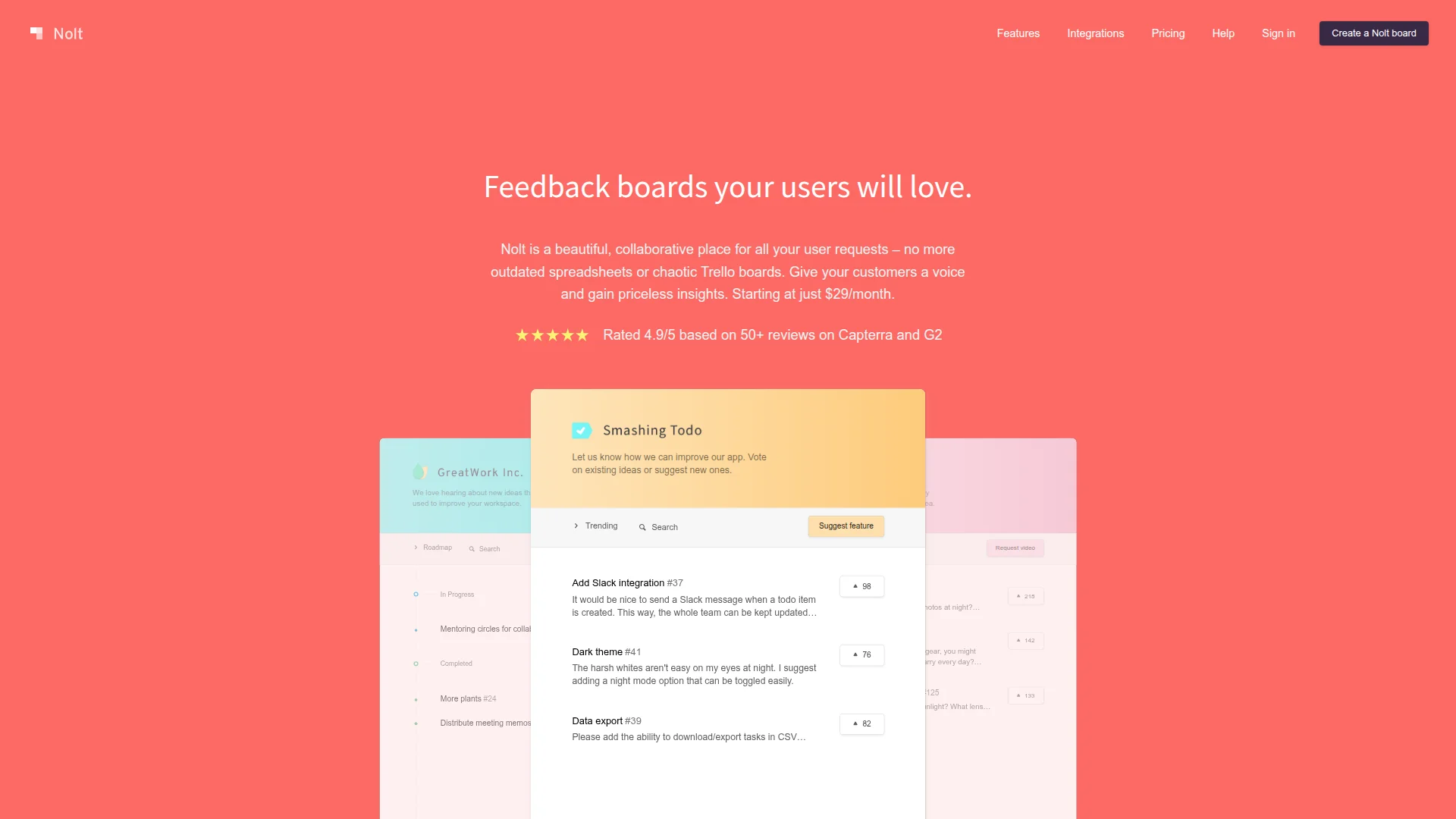
For feedback collection and roadmap transparency, consider Nolt or Frill alongside your help desk.
Reporting & Analytics: What Actually Matters
Most help desk dashboards track vanity metrics. Here's what predicts churn: first response time (target: under 1 hour), resolution time (under 24 hours for non-technical), CSAT scores above 90%, and ticket volume trending down over time (better product = fewer questions).
Intercom tracks all of this plus customer health scores and product usage context. Zendesk Explore offers 100+ pre-built reports but overwhelms new users. Crisp provides basic metrics — response times, satisfaction, busiest hours.
Crisp Platform Walkthrough
The metrics that matter: Track time to first response (under 1 hour = good, under 15 min = great), resolution time by ticket type, customer satisfaction by agent, and AI deflection rate. Ignore ticket volume — it goes up as you grow. Focus on efficiency.
Front excels at email-specific metrics. Help Scout shows reply rates and response patterns. Freshdesk's analytics require the expensive plans. For advanced reporting, pipe data into Mixpanel or Amplitude.
Team Collaboration Features
Internal notes, assignment rules, SLA tracking, and workflow automation keep teams coordinated. Intercom allows @mentions, internal threads, and rule-based routing. Zendesk's collaboration tools are enterprise-grade but require setup.
Crisp supports team assignments and internal notes but lacks advanced workflows. Help Scout shines here — assignments, saved replies, collision detection (prevents duplicate responses), and note threading work seamlessly.
Front treats collaboration as its core feature. Every email becomes a conversation thread. Team members comment, assign, snooze, and resolve together. It's email meets Slack. Best for remote teams where everyone touches support.
Collaboration hierarchy: Solo founder? Any tool works. 2-5 person team? Crisp or Help Scout. 10+ support agents? Intercom or Zendesk. Remote-first? Front.
Mobile Apps & On-the-Go Support
Intercom, Zendesk, and Freshdesk offer full-featured mobile apps. Crisp's mobile app covers essentials — respond to chats, view tickets, check metrics. Help Scout and Front have decent iOS/Android apps but lack some desktop features.
Mobile reality check: Your team won't do complex workflows on mobile. They'll respond to urgent messages, reassign tickets, and check if that angry customer replied. Mobile apps prevent bottlenecks, not replace desktops.
Most founders check support metrics on mobile during nights/weekends. Dashboard-only access matters as much as full ticket management. Crisp's mobile dashboard shows response times and satisfaction scores at a glance.
Security & Compliance Considerations
Zendesk leads on compliance — SOC 2, ISO 27001, GDPR, HIPAA-ready with BAA. Intercom covers SOC 2, GDPR, and offers data residency options. Crisp is GDPR compliant and hosted in EU (France).
Freshdesk meets major standards but lacks some enterprise certifications. Help Scout and Front cover basics (GDPR, SOC 2) but aren't HIPAA compliant. If you handle health data or financial information, Zendesk or Intercom are safer bets.
Startup compliance reality: Pre-Series A, GDPR compliance and SOC 2 matter. HIPAA only matters if you're in healthcare. ISO certifications matter when selling to enterprises. Don't over-engineer security for a 10-person company.
How to Choose Your Help Desk Software
Pick based on your primary support channel and growth stage, not feature count. Here's the decision tree:
- Choose Intercom if: You're PLG, need AI automation, want in-app messaging, and can afford $150-300/month. Best for product-led B2B SaaS.
- Choose Crisp if: You're bootstrapped, need omnichannel on a budget, want unlimited agents, and value simplicity. Start here, upgrade later.
- Choose Zendesk if: You're enterprise, need 500+ integrations, require advanced workflows, and have budget ($200+/month). Overkill for startups.
- Choose Help Scout if: Email is your primary channel, you value clean UX, and want strong knowledge base features. Great for content-heavy products.
- Choose Front if: You need shared inbox collaboration, your team lives in email, and you want Slack-like communication around support. Best for remote teams.
- Choose Freshdesk if: You need basic free tier, can accept limitations, and plan to upgrade later. See better alternatives here.
Most startups should start with Crisp (free) or Help Scout ($25/month). Upgrade to Intercom when you hit $50K MRR and need advanced automation. Zendesk makes sense post-Series A when integrations and compliance matter more than cost.
FAQ
What's the best free help desk software for startups?
Crisp wins — unlimited agents, omnichannel support, and no hidden limits. Freshdesk's free tier caps at 10 agents and lacks critical features.
How much should a startup spend on help desk software?
$0-50/month pre-revenue, $50-150/month at $10-50K MRR, $150-500/month at $50-200K MRR. Don't overpay early — Crisp gets you far on free.
Do I need AI-powered support as a startup?
Yes, if you're handling 100+ tickets/month. AI deflects 40-60% of repetitive questions, saving hours weekly. Intercom's Fin AI and Crisp's MagicReply both deliver.
What's the difference between help desk and live chat software?
Help desk manages tickets across channels (email, chat, social). Live chat is just website chat. Modern tools like Crisp and Intercom combine both.
Should I use Zendesk or Intercom?
Intercom for PLG companies needing in-app messaging and AI automation. Zendesk for enterprises needing complex workflows and 1,000+ integrations. Startups? Neither — try Crisp first.
Can I integrate my help desk with Slack?
Yes. Intercom, Zendesk, Crisp, Help Scout, and Front all offer native Slack integrations for ticket notifications and responses.
What's the best help desk for remote teams?
Front excels at collaboration with shared inbox features. Intercom works well for distributed teams with mobile apps and flexible workflows. Crisp offers solid remote collaboration at lower cost.
About the Author
Marco Delvane
Growth Team at Vibe Growth Stack. Tested 100+ growth tools so you don't have to. Writes about what actually works for startups — no fluff, no affiliate bias.
Related Articles
Get growth tips in your inbox
No-BS growth hacks, tool reviews, and best-value picks. Weekly.
Unsubscribe anytime. We hate spam too.