Cold Email in 2026: Complete Guide for Startups
Master cold email in 2026 with our beginner's guide for startup founders. Learn technical setup, personalization at scale, and proven strategies that convert 8-15%.

Marco Delvane
Growth Team
Key Takeaways
- Cold email still converts at 8-15% when done right—higher than paid ads for B2B startups
- Technical setup (SPF, DKIM, DMARC) matters more than your copy in 2026 due to stricter spam filters
- Personalization at scale requires enrichment tools—generic templates get 2% reply rates
- Start with 50 emails/day max from a new domain to build sender reputation safely
- The best cold emails solve a specific problem, not pitch your entire product
Cold email isn't dead. It's just evolved past the "spray and pray" tactics that worked in 2019. Gmail and Outlook got smarter. Your prospects got pickier. But for B2B startups with zero marketing budget, cold email still delivers—if you know what you're doing.
This guide walks you through the complete cold email system that works in 2026: technical setup, list building, writing emails that get replies, and automating the whole process without nuking your deliverability. No fluff, no outdated advice from 2018 blog posts.
Build Your Technical Foundation First
Before you write a single email, fix your sending infrastructure. This is the boring part everyone skips, then wonders why their emails hit spam.
Buy a secondary domain similar to your main one (companyname.io vs companyname.com). Never cold email from your primary domain—one spam complaint can tank deliverability for your entire team. Set up proper DNS records: SPF, DKIM, and DMARC. MXToolbox has free checkers to verify everything's configured correctly.
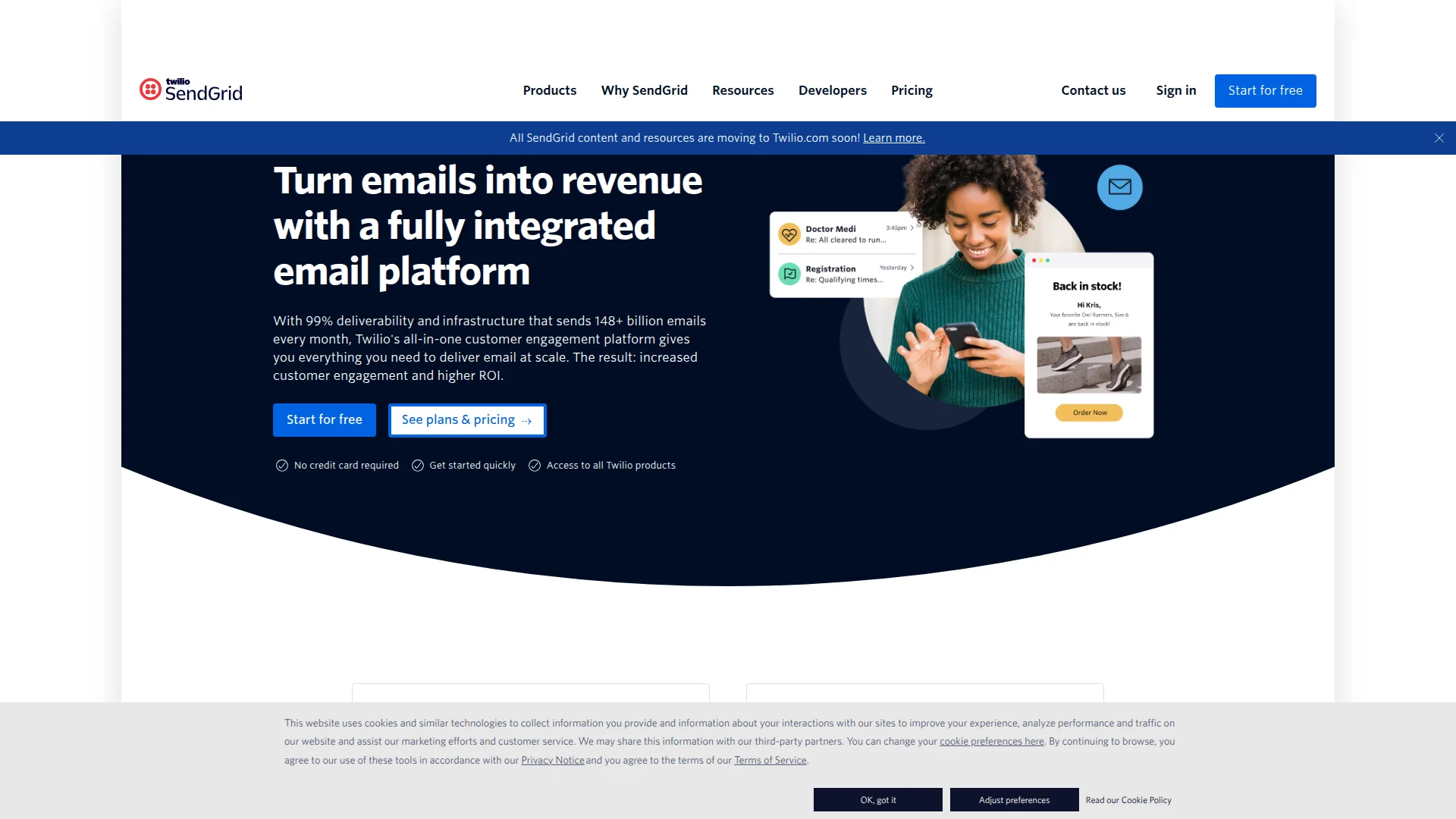
Use a dedicated email service provider like SendGrid for transactional emails, but for cold outreach, you need tools designed for sales sequences. The right ESP handles authentication, tracks opens and clicks, and manages bounce rates automatically.
SendGrid Setup Guide
Warm up your domain gradually. Start with 10-20 emails per day for week one, then increase by 10-20 daily. Most cold email tools have built-in warmup features that automatically send emails between accounts to build sender reputation. Rush this and you'll land in spam instantly.
Build Lists Worth Emailing
Random email lists from sketchy sources = instant spam folder. You need qualified leads with verified emails and actual reasons to care about your solution.
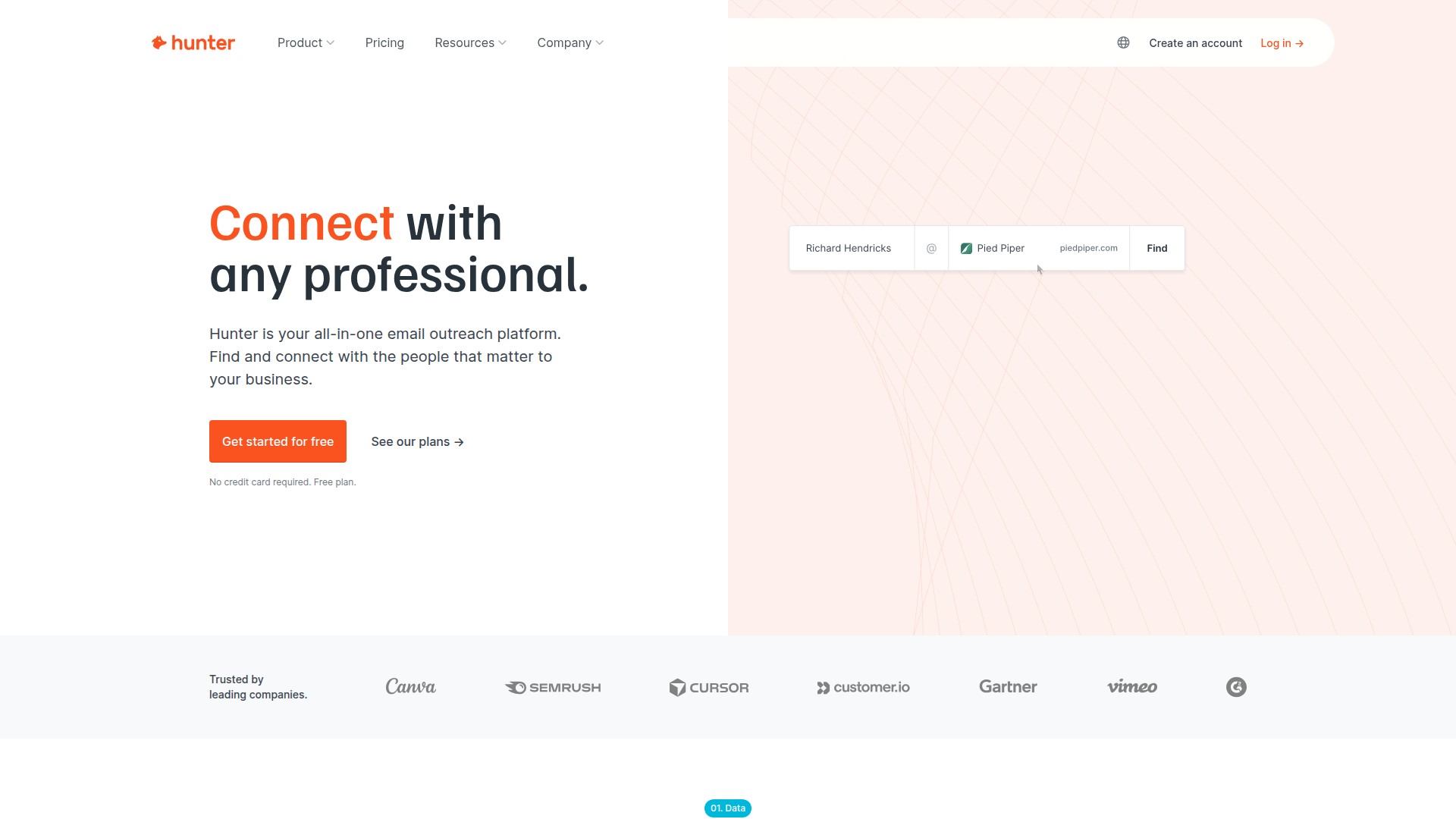
Start with LinkedIn Sales Navigator or similar tools to identify your ideal customer profile (ICP). Export those profiles, then verify emails using Hunter or Snov.io. Hunter's free tier gives you 25 searches per month—enough to test your initial campaigns.
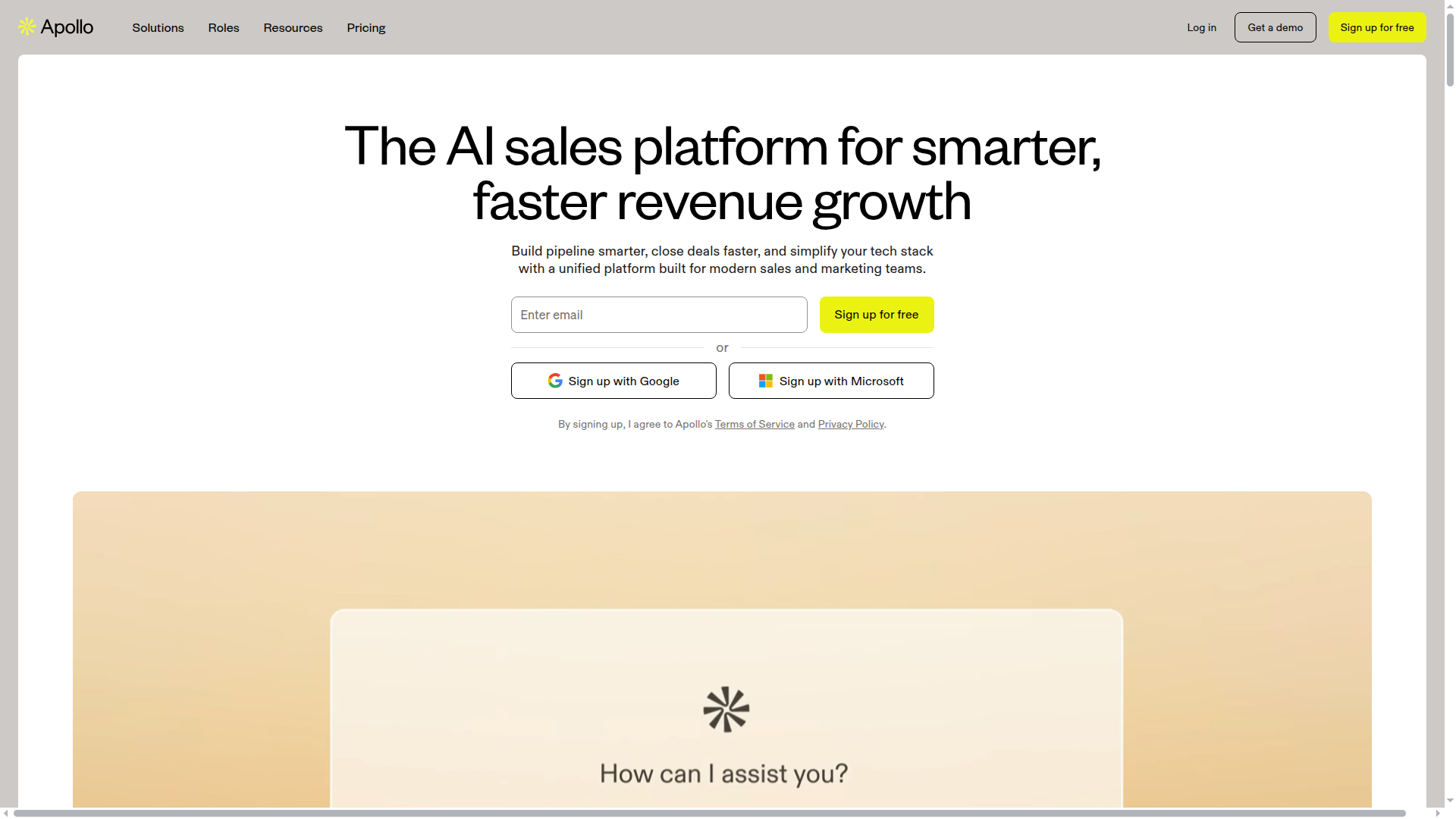
For advanced list building, Apollo.io combines contact discovery with email sequencing in one platform. Their database has 275M+ contacts with verified emails, phone numbers, and company data. Filter by industry, company size, job title, technology stack—whatever defines your ICP.
Apollo.io List Building Walkthrough
Enrich your lists with real behavioral data. Clay pulls data from 50+ sources—recent job changes, company funding rounds, tech stack changes, social media activity. This context makes personalization actually personal, not just {{firstName}} merge tags.
List segmentation that matters
Segment by problem, not just demographics. Two CTOs at similar-sized companies might have completely different pain points. Group contacts by:
- Specific trigger events (new funding, leadership change, product launch)
- Technology they currently use (found via BuiltWith or similar)
- Recent content they've engaged with on LinkedIn
- Company growth stage (pre-seed vs Series B needs different messaging)
Each segment gets its own email sequence optimized for that specific context. According to McKinsey research, personalized outreach generates 5-8x ROI compared to generic campaigns.
Write Emails That Get Replies
Your email needs to pass the "so what?" test in under 5 seconds. Most cold emails fail because they talk about the sender, not the recipient's problem.
Start with a specific observation, not a generic compliment. Bad: "I love what you're doing at [Company]!" Good: "Saw you hired 3 SDRs last month—guessing onboarding is chaotic right now." The second one shows you did research and understand their actual situation.
Keep it stupid short. Three sentences max for the first email. Attention spans are brutal. Your goal isn't to close a deal in email one—it's just to get a reply. Studies from Boomerang show emails between 50-125 words get the highest response rates.
The anatomy of a high-converting cold email
Line 1: Relevant observation or shared connection
Line 2: One specific problem you solve (not your entire feature list)
Line 3: Ultra-low-friction CTA (15-minute call, not "demo")
Subject lines matter less than you think. Keep them plain, under 40 characters, no emoji or ALL CAPS. "Quick question" outperforms clever puns every time. You're going for "looks like an email from a colleague" not "obvious marketing blast."
Add value before asking for anything. Share a relevant article, point out a broken link on their site, send a brief video showing a solution to their problem. Give first, ask second.
Automate Without Looking Like a Robot
Manual cold email doesn't scale past 20 contacts per day. Automation is mandatory, but sloppy automation kills trust instantly.
Apollo.io and Snov.io both handle email sequences with A/B testing built in. Set up 3-5 touchpoints spaced 3-4 days apart. Each email should work standalone—assume they didn't read the previous one.
Snov.io Email Drip Campaign Setup
Randomize send times within working hours (9am-5pm in recipient's timezone). Batch sending at exactly 10:00am every Tuesday screams "automated campaign." Add random delays of 1-3 minutes between sends.
Track the right metrics. Open rates lie (Apple Mail Privacy Protection breaks them). Focus on reply rate and positive reply rate. Anything above 5% positive replies means your campaign is working. Under 2% means your targeting or messaging is broken.
Multi-channel sequences beat email-only
Combine email with LinkedIn connection requests, profile views, and occasional phone calls. Apollo.io manages this in one sequence. Email → LinkedIn view → Email → Phone attempt → Final email. This pattern gets 35-40% higher response rates than email alone.
Stop sequences immediately when someone replies. Nothing tanks credibility faster than getting email 3 after you already responded to email 1. Every platform has auto-reply detection—use it.
Your Cold Email Tech Stack Decision Tree
Pick tools based on your current stage and resources. Don't overbuy features you won't use for 6 months.
- Just starting (0-500 emails/month): Hunter for email finding + Gmail with Streak CRM (free tier). Manual sending builds good habits.
- Scaling up (500-2000 emails/month): Snov.io handles finding, verifying, and sequencing in one tool. $39/month for 1000 credits.
- Running multiple campaigns (2000+ emails/month): Apollo.io for massive contact database + sequences + analytics. Starts at $49/month per user.
- Advanced enrichment needed: Add Clay to pull behavioral data from 50+ sources. $149/month but worth it for high-value deals.
For transactional emails (password resets, receipts), keep those separate on SendGrid. Never mix cold outreach with product emails—protect your primary domain's reputation.
FAQ
How many cold emails should I send per day as a beginner?
Start with 50 per day maximum from a new domain. Increase by 20-30 per day after your first month if deliverability stays healthy.
What's a good cold email reply rate?
5-8% positive reply rate is solid for B2B. Under 2% means fix your targeting or copy before scaling up.
Do I need a separate domain for cold email?
Yes, always. Use a similar domain (add.io or .co) to protect your main domain from spam complaints that could hurt all company emails.
How long should I wait between follow-up emails?
3-4 days between touches. Send 3-5 total emails max before stopping the sequence—more becomes spam.
Is cold email legal under GDPR and CAN-SPAM?
Yes for B2B in most regions if you include an unsubscribe link and your physical address. Check specific regulations for your industry and geography.
Cold email works when you treat it like starting conversations, not blasting pitches. Fix your technical setup first, build targeted lists second, write personal emails third, automate carefully fourth. Most founders skip straight to step four and wonder why nothing converts. Start sending—you'll learn more from 100 real emails than reading another guide.
About the Author
Marco Delvane
Growth Team at Vibe Growth Stack. Tested 100+ growth tools so you don't have to. Writes about what actually works for startups — no fluff, no affiliate bias.
Related Articles
Get growth tips in your inbox
No-BS growth hacks, tool reviews, and best-value picks. Weekly.
Unsubscribe anytime. We hate spam too.